UK inflation climbs to 3.6% as fuel and energy costs rise
October’s consumer prices data put fresh pressure on the Bank of England as fuel-led inflation persisted and energy bills are expected to jump.
YieldTimes Markets Desk 2 min read
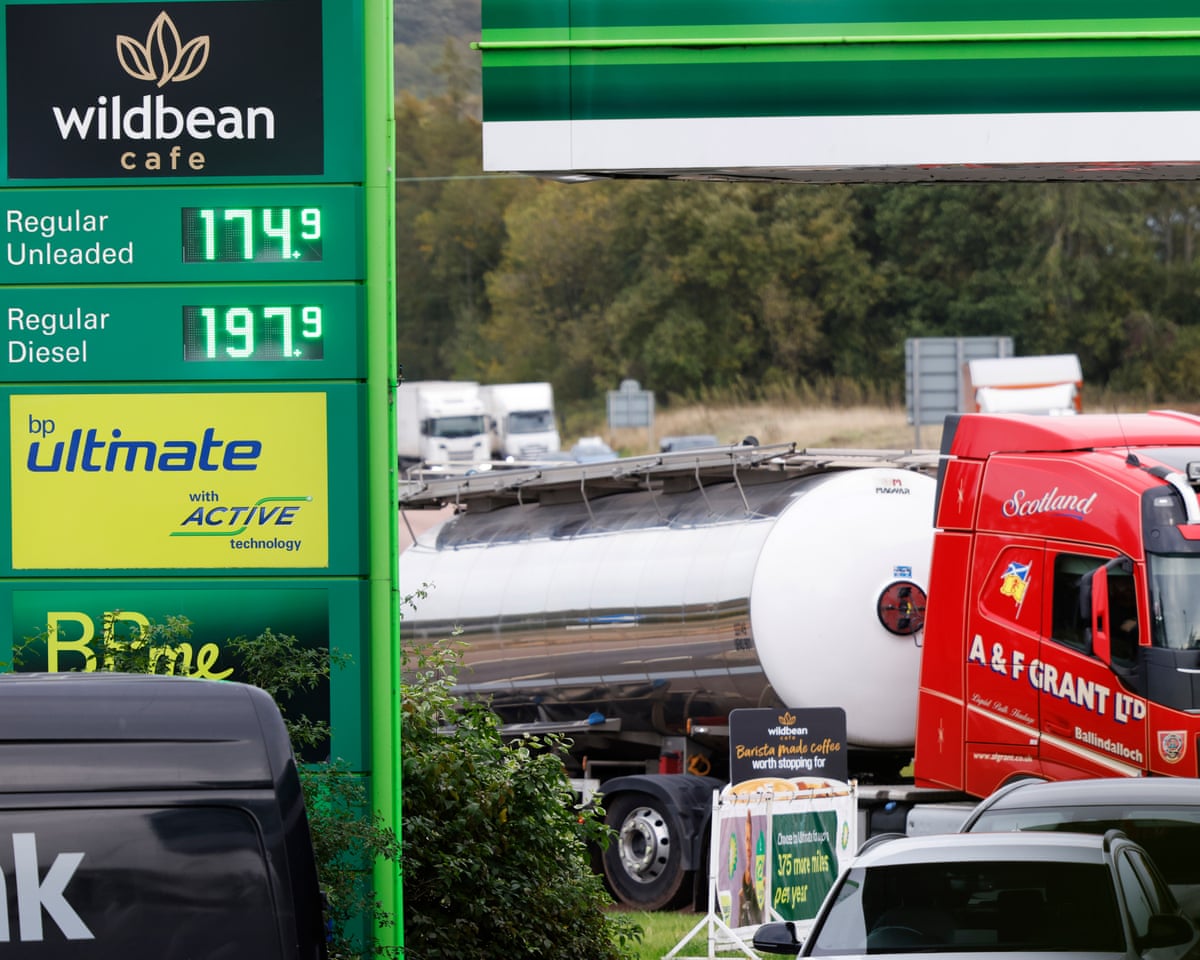
UK inflation rose to 3.6% in October, moving to the highest level in a year as motorists faced steep increases in fuel prices and households prepared for colder-weather energy costs.
Official figures from the Office for National Statistics (ONS) showed the headline rate, measured by the consumer prices index, increased from 3.5% in September and matched City economist forecasts. The ONS said fuel prices were the largest contributor to the reading, underscoring renewed pressure on the Bank of England to raise interest rates.
The fuel component rose sharply: annual costs for motorists increased at a rate of 33.2%, the biggest gain since July 2022. The ONS linked the move to the fallout from the war in the Middle East, saying raw material and factory-gate costs were also continuing to climb, supported by higher energy and crude oil prices.
Petrol prices rose by 5.2 pence per litre between September and October to 174.7 pence per litre, the highest level in four years. Diesel prices increased by 7 pence per litre to 199.5 pence per litre, reaching record levels dating back to 1996.
With household gas and electricity costs set to rise, the latest data also highlighted the potential for further near-term inflation pressure. The inflation reading incorporated a 4% increase in the Ofgem energy price cap from the start of October.
Separately, Cornwall Insight predicted a 26% jump in energy bills in Great Britain from January, taking the equivalent of a typical household bill to £2,166 a year.
Policy expectations are shifting alongside the data. The Bank of England has already signalled a peak for inflation of close to 5% next year. Earlier this month, Threadneedle Street raised interest rates from 3.75% to 4%, warning that additional increases might be required to address inflationary pressures attributed to the conflict in the Middle East.
Bank governor Andrew Bailey said that if the war continues, more rate increases may be needed to prevent inflation becoming persistent. He also noted inflation was “probably going to be a bit less” than a previous 5% forecast made earlier in the month, but emphasised that higher energy prices would raise the likelihood of sustained inflation and a higher level of interest rates.
Market participants were anticipating at least two quarter-point increases before the end of next year, with analysts saying borrowing costs could rise from as early as next month.
Beyond energy and fuel, core inflation—excluding volatile energy, food, alcohol and tobacco—was steady at 2.8%, matching forecasts. Services inflation held at 3.7%, slightly below City predictions for 3.8%.
Other components also showed mixed signals. Air fares rose by 1.8% between September and October, with increases in long-haul ticket prices offset by a downward effect from European flights. Alcohol and tobacco prices increased by 4.5%, influenced by the timing of a tobacco duty change at the start of the month. Food prices rose at the slowest pace since September 2021, up 0.9% versus 1.3% in September.
The UK government has pledged support for households facing a fresh squeeze in living costs, with chancellor John Healey announcing a £100 winter handout for 20 million households. The government’s approach comes as economic forecasts suggest further inflation pressure could persist even if global energy prices have eased somewhat since US midterm elections.
For information only, not financial advice. This article reports market news and does not recommend buying or selling any security. See the disclaimer.
More from Bonds & Rates
All →Russian drone strike traps 14 in Kyiv region as cargo ship burns off Finland, raising geopolitical risk for investors
EU budget debate reignites with proposed digital tax and a €40 billion cut as member states diverge
US Treasury sanctions Iranian oil revenue ‘trustees’ and presses Singapore and Malaysia over Iran compliance
Federal Reserve publishes bank reserve-management survey results and issues enforcement action