South Korea readies stock market stabilisation steps as KOSPI drops more than 5%
KOSPI fell sharply amid a broader Asia sell-off linked to fears around AI-linked trading, prompting regional regulators to consider market support measures.
YieldTimes Markets Desk 2 min read
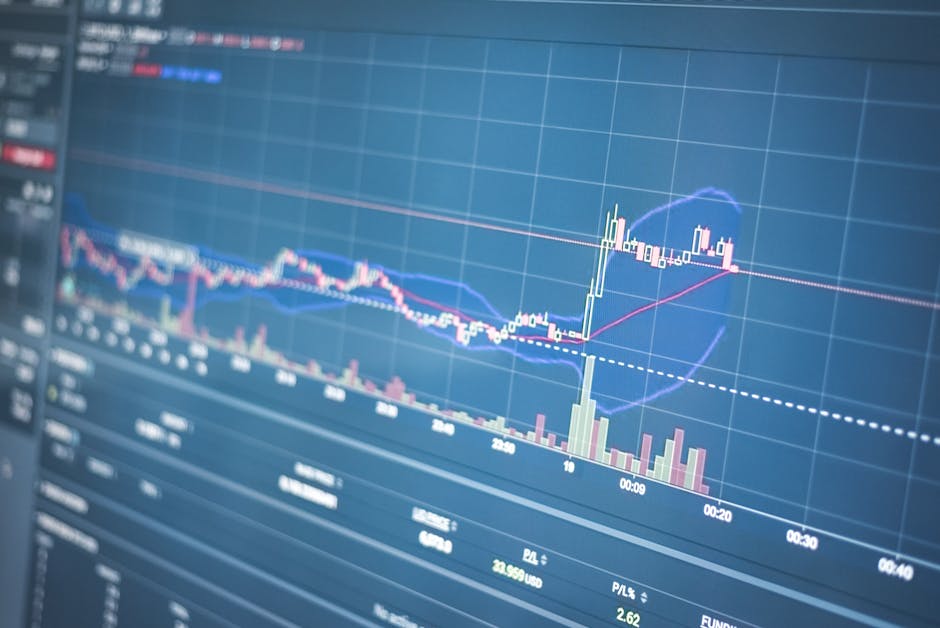
Asian markets slid after a renewed wave of pressure on equities tied to the artificial intelligence theme, with South Korea’s KOSPI falling more than 5% following heavy losses on Wall Street.
South Korea prepared a stock market stabilisation fund after the index’s steep decline, according to reporting on the planned policy response. The move comes as investors reassess risk across technology-linked sectors following what was described as an “AI rout” that deepened in Asia even as U.S. equity futures showed a rebound.
Across the region, shares of chipmakers and hardware suppliers were highlighted as particularly exposed to changes in sentiment. Regulators in Asia moved quickly to support sagging markets, reflecting concern that weakness could spread beyond individual firms into broader market liquidity and confidence.
The sell-off picture in Asia was also framed around uncertainty over whether recent momentum in AI-related trades can be sustained. As AI expectations waver, investors appear to be looking for evidence that U.S. stock selling is stabilising, with analysts and market watchers weighing whether the current correction is contained or signals a more forceful repricing.
For South Korea, the immediate implication is heightened sensitivity to index-level moves. A fund designed to stabilise trading conditions signals an effort to reduce the risk of further disorderly declines after the sharp one-day drop reported for KOSPI. For the broader regional equity complex, the emphasis on semiconductors and hardware underscores that parts of the technology supply chain may continue to trade as a barometer for global AI demand expectations.
While stabilisation measures can support market functioning, investors are also likely to watch closely for whether policy actions can offset the underlying drivers of risk appetite. The upside case would be signs that selling pressure in major markets eases and that AI-related sentiment stops deteriorating. The downside risk is that weakness could persist if concerns about the trajectory of AI-linked investment and spending broaden beyond near-term trade flows into fundamentals.
In the near term, market participants will focus on how regulators’ interventions evolve and whether equity futures strength translates into calmer trading across Asia’s tech and semiconductor-heavy sectors.
For information only, not financial advice. This article reports market news and does not recommend buying or selling any security. See the disclaimer.